

The 5 on 5 Plan
 One common question that is frequently asked is..... "Are children today considered more overweight and obese compared to the youth of twenty-five years ago?" This webpage will hopefully address this issue. Educating your kids on making smart choices is vital to their leading a healthy lifestyle, not only for now, but in the future. Please, if you plan on using any information from this website, please use the contact link found on the left menu bar to let us know.
 So, what does the 5 on 5 Plan really mean? In simple terms, it explains the top ten ways to reduce childhood obesity. The first 5 changes are suggestions that you and your children can achieve on your own, while the second group of changes are suggestions that may require some outside assistance. There is no magical formula that applies to all children when it comes to reducing childhood obesity, but sometimes, little steps make a big difference.
The 5 on 5 Plan promotes a healthy lifestyle in children. This plan begins with sixty-minutes of daily physical activity, a nutritious diet, adequate sleep and proper hydration. These four components should never be ignored, but the 5 on 5 Plan goes beyond these four critical elements to explore what needs to be changed not only in our society, but at home. Always consult with your pediatrician before making any changes to your child's lifestyle, especially when it comes to their diet and exercise regimen.
5 Changes Within Your Control - Plan 5a
 Watch The Liquid Intake

 Did you realize that for many adults and children, 1 in 5 calories consumed are from liquids? Reducing the sugary drinks children ingest daily is a good start in fighting childhood obesity or being overweight. This alone is a good reason to have your children drink more water than other liquids. Children need to learn the importance of drinking water. Since 70% (or two-thirds) of your body is made up of water, it is always important to replenish your body with more H2O. Did you know that drinking water removes toxins from your body as well assisting in maintaining body temperature and helps burn fat as fuel? The benefits of drinking water are endless. Children should drink plenty of water throughout the day as well as low-fat milk and 100% all natural juices.
The Bank Method
 Do you think your children understand the benefits of fitness when you tell them to exercise? Most young children are not interested in exercising or are just plain bored with it because they do not understand why it is important. To them, exercise is just 'work' with no immediate reward. Thankfully, most children are fortunate because they are healthy and feel great....which is the best thing about being young. Their logic is "why do I need to exercise when I feel good?"
Try to introduce the 'bank method' to children when discussing the benefits of exercise. You deposit money in a bank account to give you some security as the years go by. It sits in the bank and gets stronger as it collects interest and grows with each new deposit. Normally, you do not feel the benefits of these deposits right away because the money is not currently being used, rather, just resting in a bank. A confidence builds because you know the money saved may help you later on in life.
 A healthy lifestyle is similar to a bank deposit. If a child eats healthy, hydrates properly, gets plenty of sleep, and exercises daily, they may not see the benefits right away, but they will later in life. Each new 'health deposit' will prove to be beneficial through the years. Depositing money in the bank and healthy lifestyle have one thing in common because they are both investments in the future. Hopefully, this analogy will help teach your children the importance of healthy living, even at very young ages. So, in conclusion, the children may not see the benefits of exercise, eating healthy, adequate sleep and proper hydration immediately, but they will hopefully reap these rewards throughout their lifetime.
Parents Acclimated To The New World
 The parents of today cannot raise their children as their parents did 25 years ago. Many things have changed and there are new obstacles. Years ago, children were able to go outside and play by themselves, walk to school on their own, and had only a handful of channels to choose from on the television (with limited children's shows). There just was not as much technology to keep them occupied. Back then, most parents were not concerned about their children becoming obese, overweight, or sedentary. Move the clock ahead 25 years, and a major crisis is taking place. The bottom line, parents must become active in their children's exercise time by initiating ways for them to play daily while limiting sedentary lifestyle. Children should get at least 60 minutes of physical activity each day!
Exercise As You Eat
 This one is simple. Just as eating is part of a child's daily routine, make exercise part of the daily routine. A little exercise is better than no exercise, so playing with your children periodically throughout the day has positive benefits for your children. Make time whenever you have it to exercise or play with your kids.
Parent's Educate And Lead By Example
 Parents are the key factor in reducing childhood obesity. Without the parent's support, it could be a lost cause. It is important that a parent constantly educate their child about leading a healthy lifestyle. Discussions should occur frequently on what the family can do to stay healthy, and what habits to stay away from. The parents will not be taken seriously unless they lead by example. You cannot tell your child to avoid drinking alcohol or smoking if they see you do it! They trust their parents, so a child's logic may be "If my parents are doing it, it must be okay."
5 Changes Partially In Your Control - Plan 5b
Support Daily Quality PE
 One problem that needs to be addressed more are the cuts in Physical Education throughout the world. Instead of daily, quality physical education taking place in the schools, many PE programs are being cut or taught by non-certified staff. This should really be changed. Talk to your child's school board and discuss how more PE time needs to be mandatory in your school district. Fight to keep your children healthy. Countless studies now prove that exercise in school stimulates the children's cognitive skills as well.
Support Your Recreation Department
 As PE is cut, so are many recreation departments. Show support for your local rec department. Get your children active in these team sports that also assist with social skills. Call your local government officials and discuss ways of improving and funding your local recreation programs. You cannot do it alone, so recruit other neighbors with the same interests as yours to support town recreation.
Push For Government Support
 Do not be afraid to contact your local government officials and express your displeasure with the number of health, nutrition, fitness, sports or wellness programs available to your child. Let them know you want more PE and recreational activities. Remember, many politicians are parents or grandparents as well, so they completely understand your concerns! Don't just complain to them, rather, offer attainable solutions that support all sides.
Use Less Technology
 One of the major challenges parents are facing today is the technology available to their children. What makes technology great is the fact it makes our lives easier and sometimes more exciting or fun. However, this technology is raising a generation of sedentary children who really enjoy all these cool gadgets. So, the question arises when it comes to children's health: Is technology or exercise winning the battle with the obesity epidemic facing the children of the world? Visit the 2:1 Club for more information on this topic by clicking here.
Parental Adjustments To The Environment
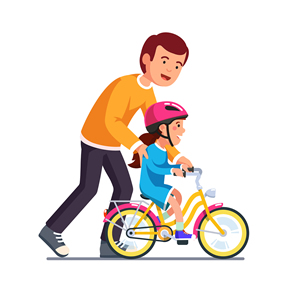 Is the world different than it was 25 years ago? Was it a safer place than it is today? Is an adult a 'bad' parent for allowing their children to go outside and play unsupervised? Many parents say 'yes' to these questions. But in the name of keeping our children safe, we cannot be content to let their health suffer. Parents need to make time to go out and play with their children.

Downloads

Opinions
 This page is devoted to hearing from visitors. Share your thoughts on what could be done to reduce the childhood obesity problem facing the youth of the world. Use the contact link in the menu bar to submit your suggestions. Some of your suggestions may be posted on this page. Looking forward to hearing from you. Comments are left intact, even if there are spelling or grammar errors.
Robert H. from California wrote: "I think the children are not supervised from the time they get home from school to the time their parents come home. They have access to many things such as snacks in the frig, and technology. Some children may take advantage of this sedentary, unhealthy lifestyle."
Samantha P. from Connecticut wrote: "Kids today are too structured. They don't have the free time to go out and play as they used to. They always have to be supervised."
Karen B. from New Jersey wrote: "I believe the parents should lead by example!"
Lucy L. from Georgia wrote: "All my kids want to do is play with their gadgets. So now, I limit their time on technology and enforce activity time. At first it was tough, but now they are in a positive routine and are actually having fun!"